Loading...
Accepting new patients
✓ Top Orthopedic Surgeon '24
Advanced Orthopedic & Spine Care By
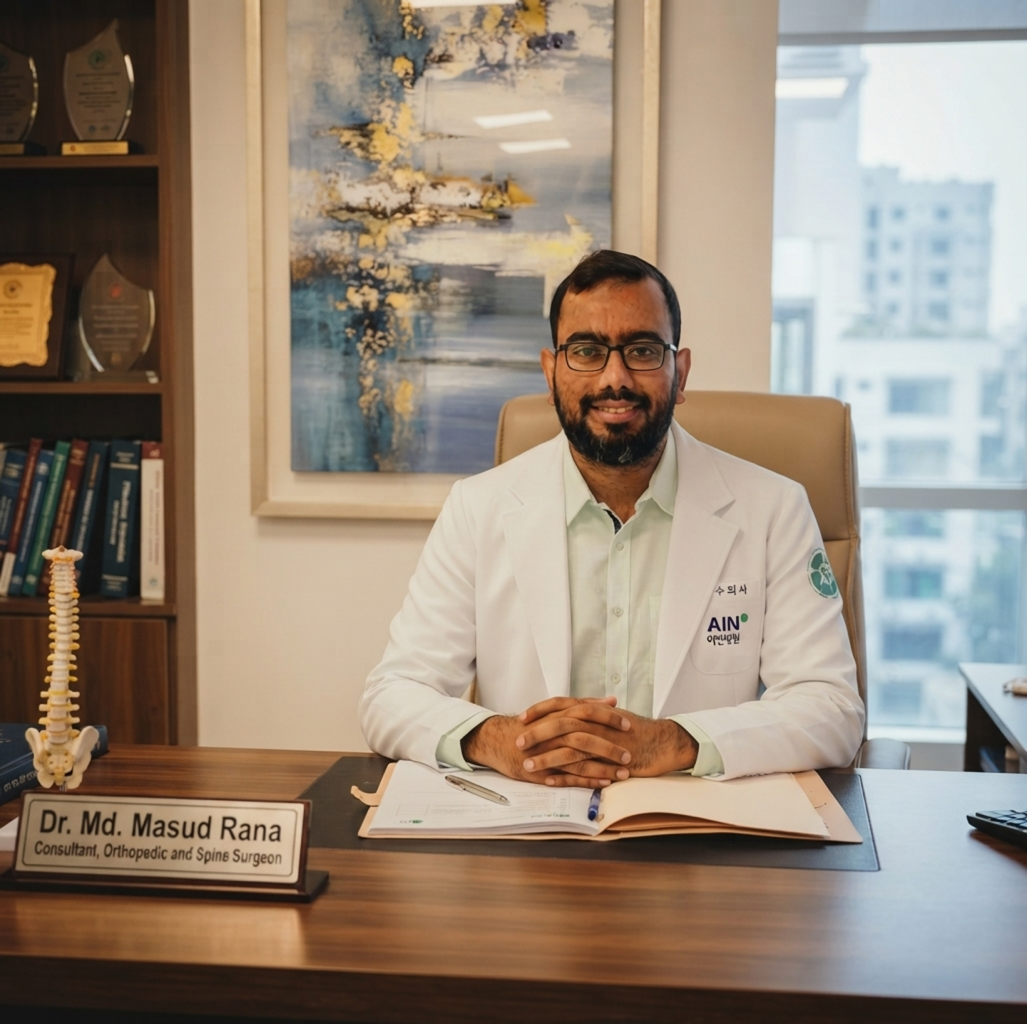
Dr. Md. Masud Rana
Dr. Md. Masud Rana is an Associate Professor specializing in Orthopedic Surgery, Spine Surgery, and Interventional Pain Management. Expert care for trauma, spine disorders, and chronic pain.
5k+
Happy patients
98%
Success rate
8+
Years of experience
Dr. Md. Masud Rana - Orthopedic & Spine Surgeon
Book Appointment

Reach Dr. Md. Masud Rana — Orthopedic & Spine Specialist

Contact Dr. Md. Masud Rana for Spine Surgery, Trauma, Interventional Pain Management, and Orthopedic Consultations.

WhatsApp
+88 01753504844
Call Now
+88 01753504844
Email Us
ayash.mashu@gmail.com
Follow on Facebook
Dr. Md. Masud Rana
Follow on TikTok
Dr. Md. Masud Rana
Follow on Instagram
Dr. Md. Masud Rana
Chambers

Labaid Cancer Hospital and Super Speciality Centre

26 Green Road, Dhanmondi, Dhaka 1205, Bangladesh

Contact : 01753504844 | Hotline: 10664 | Appointment: 09666-710001

Enam Medical College & Hospital

9/3 Parboti Nagar, Thana Road, Savar, Dhaka, Bangladesh

Contact : 01753504844

Phone: 02223371196-98

Mobile: 01716-358146, 01749-443353

Email: ayash.mashu@gmail.com

Popular Diagnostic Centre Limited

Tangail Branch, Mymensingh Road, Sabalia, Tangail

For Serial / Appointment: Contact : 01753504844 | 09666787824

Konabari Clinic & Diagnostic Centre

Adjacent to Kacha Bazar Mor, Konabari, Gazipur City Corporation

For Serial / Appointment: Contact : 01753504844 | 01717-234741, 01818-446265

Book Online Appointment

About Dr. Md. Masud Rana

Orthopedic & Spine Surgery Specialist

Dr. Md. Masud Rana is an Associate Professor in the Department of Spine and Orthopaedic Surgery at Enam Medical College and Hospital, Bangladesh. He is dedicated to providing evidence-based, compassionate, and patient-centered care to his patients.

He completed his MBBS in 2010 from Khawaja Yunus Ali Medical College under Rajshahi University and earned his MS in Orthopaedic Surgery from Bangabandhu Sheikh Mujib Medical University in 2018. He completed Fellowship in Interventional Pain Management (FIPM) from Asculap Academy and was awarded Fellow of the American College of Surgeons (FACS) in 2023.

Advanced Training: Dr. Rana received advanced training in orthopaedic spine surgery at Mahidol University, Thailand, where he also completed two cadaveric training courses in endoscopic spine surgery. In 2025, he completed a fellowship in endoscopic spine surgery at Ain Hospital in South Korea.

Clinical Interests: His clinical interests include the diagnosis and treatment of spinal disorders, degenerative spine diseases, spinal trauma, minimally invasive spine surgery, endoscopic spine surgery, and comprehensive orthopaedic care.

Visiting Hours

Labaid Cancer Hospital and Super Speciality Centre
Saturday, Sunday, Wednesday
Enam Medical College & Hospital
Saturday – Thursday
Popular Diagnostic Centre Limited
Thursday, Friday
Konabari Clinic & Diagnostic Centre
Monday, Friday
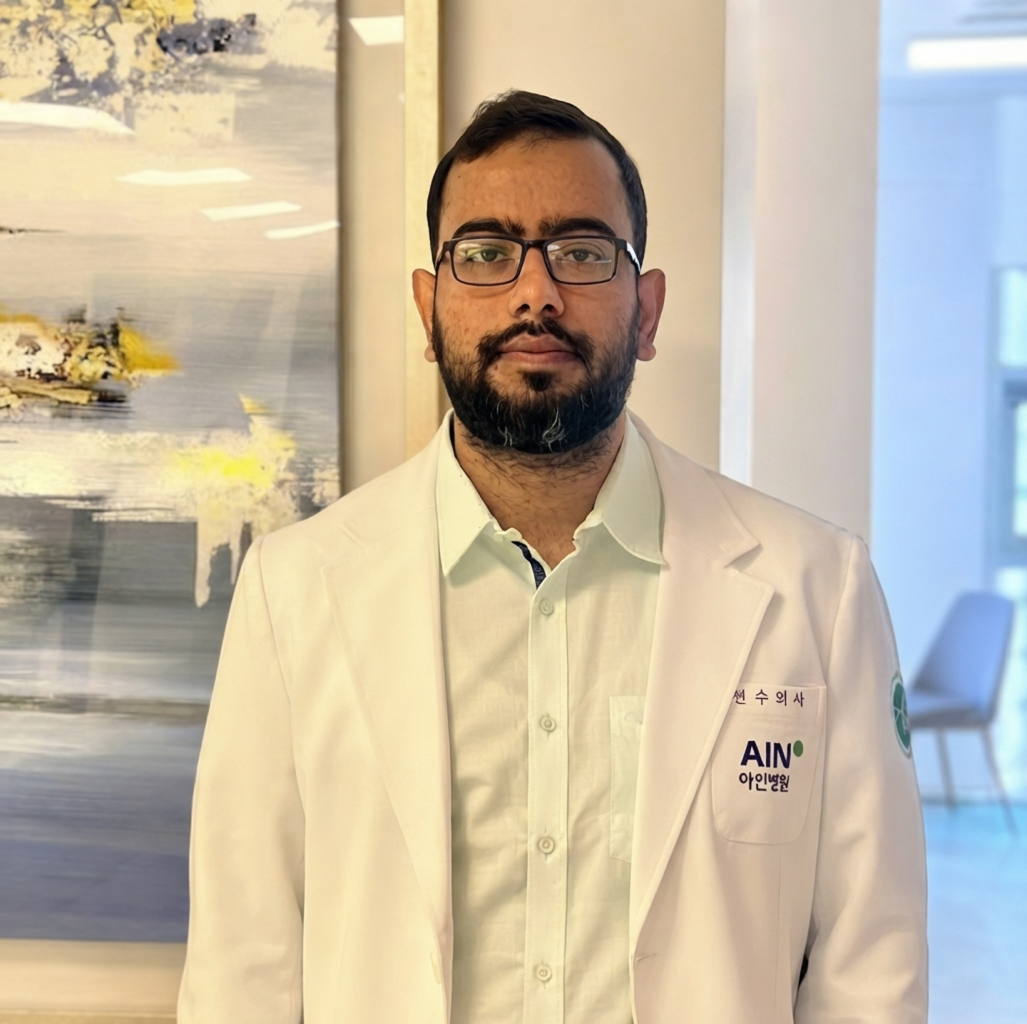
Dr. Md. Masud Rana - Orthopedic and Spine Surgery Specialist

01753504844

Call for appointment / consultation

8+ Years of Experience

Orthopedic & Spine
Our Specialized Services
Comprehensive orthopedic and spine care with advanced surgical and non-surgical treatment options.
Spine Surgery
Advanced surgical treatments for spinal disorders including fusion, decompression, and disc replacement.
Spine surgery is considered for patients with spinal conditions that do not improve adequately with appropriate non-surgical treatment. Depending on the underlying condition, surgical options may include decompression procedures to relieve pressure on the spinal nerves, spinal fusion to provide stability, and selected procedures for disc-related problems. Treatment is planned after careful clinical evaluation and appropriate imaging, with the goal of relieving symptoms, improving spinal stability, and supporting better function. Surgical decisions are individualized according to the patient's condition, symptoms, neurological findings, and overall health.
Read More
Endoscopic Spine Surgery
Minimally invasive endoscopic procedures for spine conditions with faster recovery and less tissue damage.
Endoscopic spine surgery is a minimally invasive approach that uses specialized instruments and an endoscope to access and treat selected spinal conditions through a small working channel. It may be used in appropriate patients with certain disc-related and nerve compression conditions. Compared with some conventional surgical approaches, minimally invasive techniques may involve smaller incisions and less disruption of surrounding tissues. The suitability of endoscopic surgery depends on the specific spinal problem, imaging findings, symptoms, and overall clinical condition of the patient.
Read More
Orthopedic Surgery
Comprehensive orthopedic surgical care for bones, joints, ligaments, tendons, and muscles.
Orthopedic surgery focuses on the diagnosis and surgical management of conditions affecting the musculoskeletal system, including bones, joints, ligaments, tendons, and related structures. Depending on the patient's condition, treatment may involve procedures for fractures, joint problems, ligament injuries, tendon disorders, and other orthopedic conditions. Each treatment plan is developed according to the individual's symptoms, examination findings, imaging results, functional needs, and overall health, with an emphasis on safe and evidence-based care.
Read More
Trauma Care
Emergency and acute trauma management for fractures, dislocations, and musculoskeletal injuries.
Orthopedic trauma care involves the assessment and management of injuries affecting the bones, joints, spine, and other musculoskeletal structures. Treatment may include evaluation of fractures, dislocations, spinal injuries, and other traumatic conditions. Depending on the severity and type of injury, care may involve immobilization, reduction, surgical fixation, or other appropriate interventions followed by rehabilitation. Prompt assessment and an individualized treatment plan are important to support proper healing, restore function, and reduce the risk of complications.
Read More
Joint Replacement Surgery
Total and partial joint replacement for hip, knee, shoulder, and ankle with advanced implant technology.
Joint replacement surgery is a procedure in which a damaged or severely diseased joint is replaced with an artificial joint to help reduce pain and improve mobility and function. It may be considered for patients with advanced joint damage or persistent symptoms that significantly affect daily activities and have not responded adequately to appropriate non-surgical treatment. Care includes detailed assessment before surgery, appropriate selection of the procedure, and structured rehabilitation after surgery. The treatment approach is individualized based on the affected joint, severity of damage, symptoms, age, activity level, and overall health.
Read More
Arthroscopy
Minimally invasive keyhole surgery for joint diagnosis and treatment of knee, shoulder, hip, and ankle.
Arthroscopy is a minimally invasive surgical technique that uses a small camera, called an arthroscope, to examine and treat problems inside a joint. It can be used for selected conditions involving the knee, shoulder, ankle, and other joints. Depending on the diagnosis, arthroscopic procedures may be used to assess and manage certain ligament, cartilage, meniscus, tendon, or other internal joint problems. The procedure is selected according to the patient's symptoms, physical examination, imaging findings, and the specific nature of the joint condition.
Read More
Pain Management
Comprehensive chronic and acute pain management including interventional procedures and rehabilitation.
Pain management focuses on identifying the underlying cause of pain and developing an appropriate treatment plan to improve comfort, function, and quality of life. It may be relevant for patients experiencing back pain, neck pain, spinal pain, joint pain, or other musculoskeletal pain conditions. Depending on the diagnosis, treatment may include medication, physical rehabilitation, lifestyle guidance, and selected interventional pain management procedures when appropriate. A personalized approach is followed based on the source, duration, severity, and characteristics of the patient's pain.
Read More
Pediatric Orthopedics
Specialized orthopedic care for children with congenital, developmental, and traumatic conditions.
Pediatric orthopedics focuses on musculoskeletal conditions affecting children and adolescents. Children's bones and joints are still developing, so their orthopedic conditions require careful assessment and age-appropriate management. Evaluation may be needed for congenital or developmental abnormalities, growth-related problems, spinal conditions, fractures, and other orthopedic concerns. Treatment is planned according to the child's age, stage of development, symptoms, physical findings, and the specific condition, with the aim of supporting healthy growth, mobility, and function.
Read More
Conditions Treated
Comprehensive diagnosis and treatment for all orthopedic and spine conditions.
Orthopedic and spine care covers a wide range of conditions affecting the spine, bones, joints, muscles, ligaments, and other musculoskeletal structures. These may include spinal disorders, degenerative spine diseases, spinal trauma, back and neck pain, disc-related conditions, fractures, joint problems, and other orthopedic concerns. Proper diagnosis may involve a detailed medical history, physical examination, and appropriate imaging or investigations. Treatment is then tailored to the patient's specific condition and may include non-surgical management, rehabilitation, pain management, or surgery when clinically indicated.
Read More
Sports Injury Treatment
Specialized care for sports-related injuries including surgical and non-surgical treatment options.
Sports injuries can affect muscles, tendons, ligaments, joints, and bones and may occur during training, exercise, or competitive activities. Proper evaluation helps determine the nature and severity of the injury and guides the appropriate treatment approach. Depending on the condition, management may include rest and activity modification, medication, physiotherapy, rehabilitation, or surgery when required. The goal of treatment is to control pain, promote healing, restore strength and movement, and support a safe return to normal physical activity.
Read More
Fracture & Injury Management
Complete care for all types of fractures, dislocations, and musculoskeletal injuries.
Fracture and injury management begins with accurate assessment of the injured area and identification of the type and severity of the injury. Treatment depends on factors such as the location and pattern of the fracture, degree of displacement, involvement of nearby joints, and the patient's overall condition. Management may include immobilization with appropriate support, reduction of displaced fractures, surgical fixation when necessary, and follow-up care. Rehabilitation and gradual restoration of movement and strength are important parts of recovery following many orthopedic injuries.
Read More
Back & Neck Pain Treatment
Comprehensive treatment for acute and chronic back and neck pain.
Back and neck pain can result from a variety of causes, including muscle and soft tissue problems, disc-related conditions, degenerative changes, spinal disorders, and injuries. A proper clinical assessment is important to identify the possible source of pain and determine whether further investigation or imaging is required. Depending on the diagnosis and severity, treatment may involve medication, activity modification, physiotherapy, rehabilitation, pain management, or surgical intervention for selected conditions. The treatment plan is individualized to address the patient's symptoms and functional needs.
Read More
Joint Pain Treatment
Specialized care for joint pain including arthritis, tendonitis, and bursitis.
Joint pain may develop due to arthritis, injury, overuse, inflammation, degenerative changes, or other musculoskeletal conditions. Care begins with identifying the underlying cause through clinical evaluation and, when necessary, appropriate imaging or investigations. Depending on the condition, treatment may include medication, activity modification, physiotherapy, rehabilitation, selected injections, or surgical treatment for advanced or persistent joint problems. The goal is to reduce pain, improve joint function, maintain mobility, and help patients return to their daily activities as safely as possible.
Read More
Spinal Disorders Treatment
Advanced treatment for all types of spinal disorders and deformities.
Spinal disorders include a broad range of conditions affecting the bones, discs, nerves, and other structures of the spine. These may include degenerative spine diseases, disc-related problems, spinal stenosis, spinal deformities, and other conditions that can cause back pain, neck pain, limb symptoms, or functional limitations. Treatment is based on a detailed assessment of symptoms, neurological findings, and appropriate imaging. Depending on the condition, management may include non-surgical care, pain management, rehabilitation, minimally invasive procedures, endoscopic spine surgery, or other surgical options when clinically appropriate.
Read More
Musculoskeletal Disorders
Comprehensive treatment for all musculoskeletal conditions affecting bones, joints, and soft tissues.
Musculoskeletal disorders can affect the bones, joints, muscles, ligaments, tendons, and other supporting structures of the body. Patients may experience pain, stiffness, weakness, reduced mobility, or difficulty performing everyday activities. Proper evaluation helps identify the underlying condition and determine the most appropriate treatment. Depending on the diagnosis, care may include medication, physical therapy, rehabilitation, activity modification, pain management, or surgical treatment when required. A patient-centered approach is followed to address symptoms, improve movement and function, and support long-term musculoskeletal health.
Read More
Lower Back Pain & PLID Specialist Profile

Why Does Lower Back Pain Occur? How Can You Know If You Have PLID?

Understanding the Causes, Symptoms, Diagnosis & Treatment of PLID

Lower Back Pain, PLID Symptoms & Treatment Overview
Key Lower Back Pain & Spine Specializations
Lower Back Pain PLID Diagnosis Spine Disorders Spine Surgery Sciatica Nerve Compression
Pain
Common Causes of Lower Back Pain
PLID
Recognizing Common Symptoms
MRI
Diagnosis & Assessment
Care
Personalized Treatment Planning
Lower Back Pain & PLID Care Profile

Dr. Md. Masud Rana

Spine, Trauma & Orthopedic Surgery Specialist

Lower back pain can occur for many different reasons. But why does PLID-related lower back pain happen? How can you understand whether your symptoms may be related to PLID, and what treatment options are available? To answer these important questions, we are joined today by renowned Spine, Trauma and Orthopedic Surgeon Dr. Md. Masud Rana.

Why Does PLID Cause Lower Back Pain?

PLID, or Prolapsed Lumbar Intervertebral Disc, occurs when a disc in the lower spine becomes displaced or bulges and may compress nearby nerves. This can lead to lower back pain, pain spreading to the leg, numbness, tingling, or weakness. A proper clinical evaluation along with relevant imaging such as MRI can help identify the cause of symptoms and determine the appropriate treatment approach.

BMDC Reg: A 58152

How Can You Know If You Have PLID & What Is the Treatment?

Symptoms such as persistent lower back pain, leg pain, numbness, tingling, or weakness may be associated with PLID, but these symptoms can also occur due to other spinal conditions. A specialist should assess your symptoms, physical examination, and MRI findings before confirming the diagnosis. Treatment depends on the severity of the condition and may include medication, physiotherapy, lifestyle modification, pain management, or surgery when necessary. Not every patient with PLID requires surgery.

Professional Profile

Qualifications & Advanced Training

Medical Degrees

MBBS, MS (Orthopedic Surgery - BSMMU)

Specialized Training

Spine Surgery (Thailand), Interventional Pain Management (FIPM), Trauma & Joint Replacement.

Clinical Focus

Spine Surgery | Orthopedic Trauma | Joint Replacement | Interventional Pain | Sports Injury

Contact & Reg

Dr. Md. Masud Rana
+8801753504844
ayash.mashu@gmail.com
BMDC Reg: A 58152

Credentials

Education & Specialized Certifications

Bachelor of Medicine, Bachelor of Surgery (MBBS)

Recognized medical degree

MS (Orthopaedic Surgery)

Postgraduate specialization in Orthopaedic Surgery

FACS (Fellow, American College of Surgeons)

International fellowship recognition

FIPM (Fellow, International College of Surgeons)

International professional recognition

Fellowship in Endoscopic Spine Surgery

AIN Hospital, South Korea – Advanced training in endoscopic spinal procedures

Spine Surgery Training

Siriraj Hospital, Thailand – Advanced spine surgery techniques

Associate Professor

Department of Orthopaedic Surgery, Enam Medical College & Hospital

Professional Memberships

Bangladesh Spine Society, Bangladesh Orthopaedic Society, Thai MIS Society , AO Member

Research

Research & Publications

Selected research works and scientific publications in orthopaedic surgery, spine surgery, trauma care, and related clinical fields.

Comparison Between Anterior Cervical Discectomy with Fusion

Comparison between anterior cervical discectomy with fusion by polyetheretherketone cages and tricortical iliac crest graft for the treatment of cervical prolapsed intervertebral disc.

Islam MA, Rana MM, Goni MF, Rahman MN. BSMMU J. 2016; 9:169–172.
Aggressive Discectomy for Single-Level Lumbar Disk Herniation

Clinical research on aggressive discectomy as a surgical management approach for patients with single-level lumbar disk herniation.

Ahsan MK, Rana MM, Khan ZH, Zaman N, Haque MH, Mahmud AA. BSMMU J. 2017; 10:135–139.
ACL Reconstruction Using Autologous Hamstring Double-Bundle Graft

Anterior cruciate ligament (ACL) reconstruction using an autologous hamstring double-bundle graft compared with single-bundle graft procedure.

Chowdhury AZ, Ali MH, Faisal MA, Kundu IK, Arifeen KN, Mahmmod CI, Rana MM, Buyan MJH. MM J. 2018.
Outcome of Varus Derotation Osteotomy for Containment of Femoral Head

Research on the outcome of varus derotation osteotomy for containment of the femoral head in advanced Perthes disease.

Mohammad Masud Rana, Nokul Kumar Datta, Mohammad Ishaq Bhuiyan, Md. Asadullah Ripon, Dr. Sayed Didarul Islam.
Posterior Short Segment Fixation with Index Level Screw

Research focusing on posterior short segment fixation with index level screw for the management of unstable thoracolumbar burst fractures.

Mohammad Masud Rana, Nokul Kumar Datta, Mohammad Ishaq Bhuiyan, Md. Asadullah Ripon, Dr. Sayed Didarul Islam.
Minimally Invasive Limited Discectomy for Lumbar Disc Herniation

Minimally invasive (non-microscopic) limited discectomy (sequestrectomy) for sequestrated variety of lumbar disc herniation in young active persons, focusing on short-term clinical outcomes.

Aggressive Discectomy for Single-Level Lumbar Disk Herniation

Research on aggressive discectomy for the treatment of single-level lumbar disk herniation.

Md. Kamrul Ahsan, Md. Masud Rana, Zahidul Haq Khan, Naznin Zaman, Md. Hamidul Haque and Abdullah Al Mahmud.
Anterior Cervical Discectomy and Fusion by PEEK Cage

In spondylotic cervical myelopathy, anterior cervical discectomy and fusion by PEEK cage without plate reinforcement as a standard method of treatment.

Testimonials

What Our Patients Say

Dr. Masud performed my spine surgery with exceptional skill. Pain-free recovery and excellent care. Highly recommend!
A. Rahman
Spine Patient
After years of knee pain, Dr. Rana's joint replacement gave me a new lease on life. Thank you, sir!
Shamima Akter
Joint Replacement
Very professional and ethical doctor. My fracture healed perfectly without complications. Grateful for his expertise.
Kamal Hossain
Trauma Patient
His pain management treatment changed my life. Chronic back pain is now manageable. Truly a master.
Nadia Sultana
Pain Management